Dirt Works logo
The Dirt Works Journal

Notes from the field.

Practical, plain-language notes on grading, drainage, foundations, and site preparation across Oʻahu.

Licensed GEC CT-38531Islandwide OʻahuUpdated regularly

Latest articles.

Straight talk about site work.

No jargon—just what property owners should know before the crew shows up.

Why proper grading is the first line of defense against water damage
Site Preparation · July 10, 2026 · 6 min read

Why proper grading is the first line of defense against water damage

Water follows the shape of the ground. A carefully planned grade can protect foundations, driveways, landscaping, and everything built above it.

Read full article

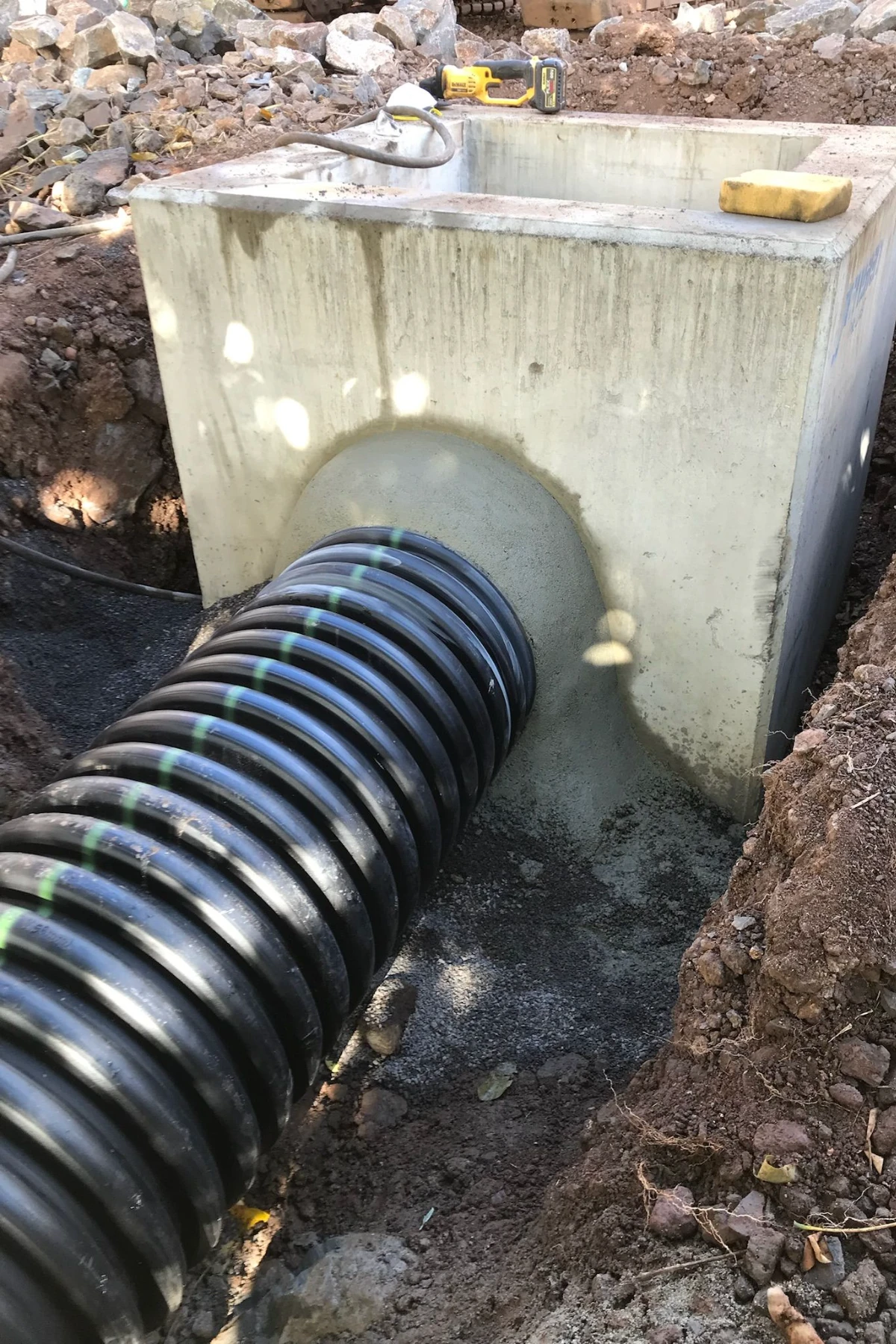
Most drainage problems begin before the first pipe is installed. They begin with the shape of the land. When a site is graded correctly, rainwater is directed away from buildings, high-use areas, and vulnerable edges before it has a chance to collect.

That is why grading is more than making a property look level. It is the process of creating intentional elevations and slopes that support everything that comes next.

“Good drainage is designed into the ground—not added as an afterthought.”

What proper grading helps prevent

  • Standing water near slabs and foundations
  • Erosion along driveways, walls, and landscaped areas
  • Soft or unstable soil caused by repeated saturation
  • Water moving toward neighboring properties or structures

Every property behaves differently. Soil conditions, rainfall patterns, existing structures, retaining walls, and the final use of the site all influence how the ground should be shaped. The right solution begins with understanding where water currently travels and where it needs to go.

When grading and drainage are planned together, the finished site is safer, more usable, and better prepared to protect the investment above it.
What happens before a foundation is ready to build on
Foundations · June 26, 2026 · 5 min read

What happens before a foundation is ready to build on

The strength of a slab or structure depends on work that will eventually disappear beneath it: excavation, compaction, elevation, and drainage preparation.

Read full article

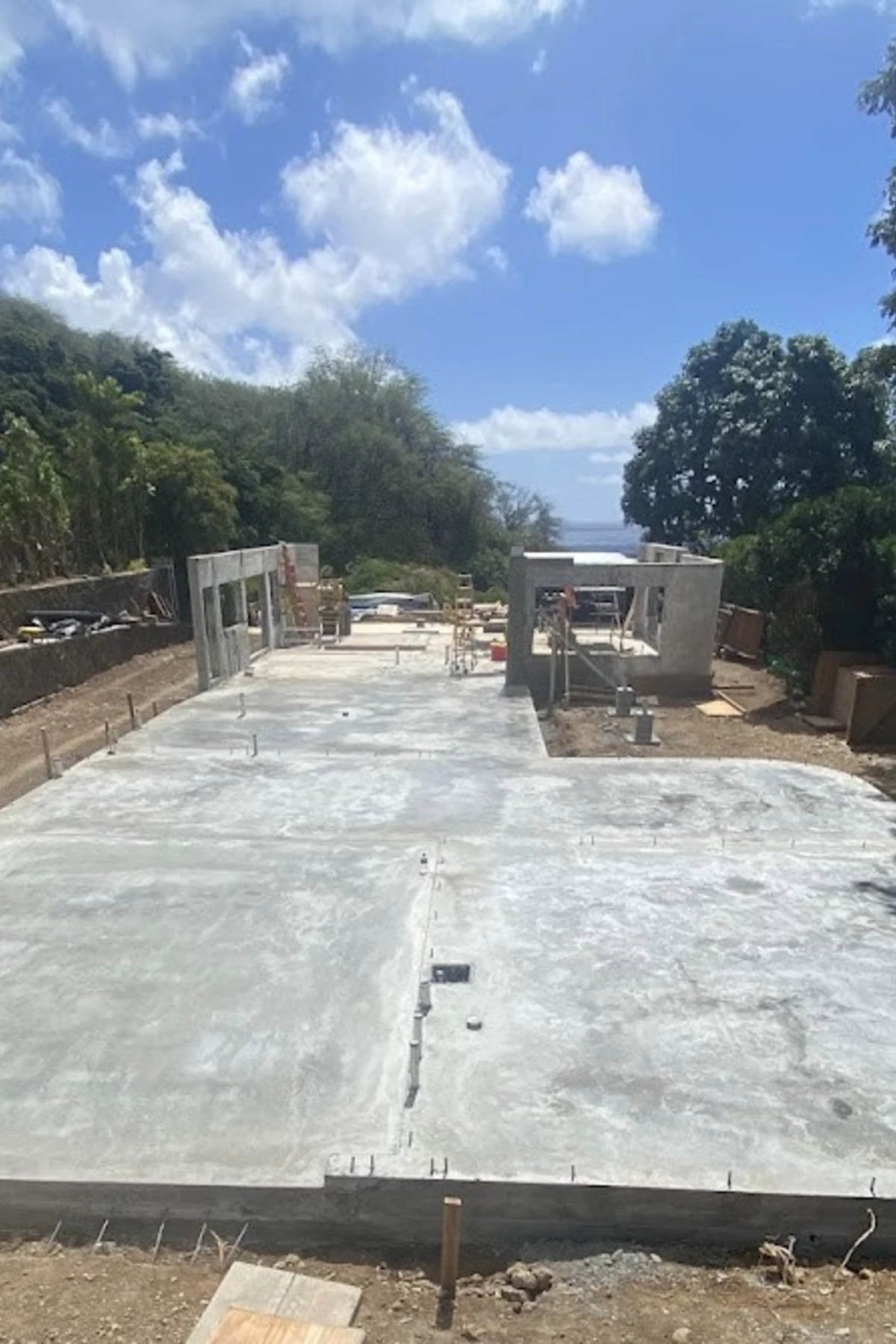
A finished foundation may look simple, but the ground beneath it has gone through a deliberate sequence of preparation. Existing material is removed, the site is brought to the correct elevation, unsuitable soil is addressed, and the base is compacted in controlled layers.

Each step matters because concrete cannot correct unstable ground. If the subgrade shifts, settles, or holds water, the structure above it can eventually show the consequences.

“The most important part of a foundation is often the part no one sees after construction begins.”

A dependable preparation sequence

  • Confirm the required footprint and finished elevation
  • Excavate unsuitable or excess material
  • Install and compact the specified base material
  • Prepare drainage and utility pathways before concrete work
  • Verify a clean, stable, and level building surface

Coordination is especially important when underground utilities, retaining systems, or access limitations are involved. Solving those conditions early reduces rework and keeps later trades moving.

Proper foundation preparation is not about doing more work. It is about doing the right work before it becomes difficult or expensive to change.

Site clearing vs. grading: what your project actually needs
Project Planning · June 8, 2026 · 4 min read

Site clearing vs. grading: what your project actually needs

Clearing removes obstacles. Grading reshapes the land. Many projects need both, but they solve different problems and happen at different stages.

Read full article

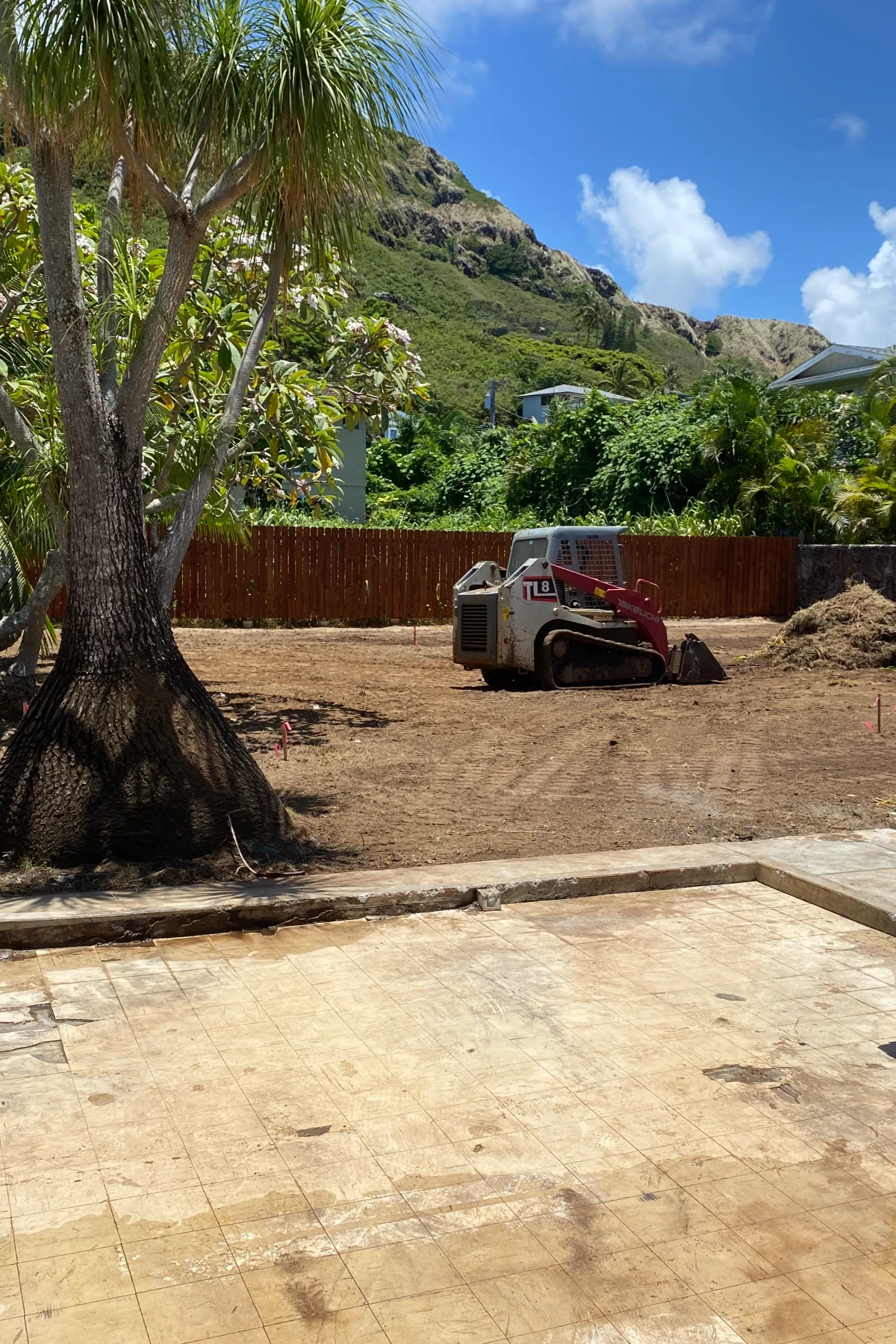
Site clearing and grading are often discussed together, but they are not the same service. Clearing prepares access and removes what prevents work from beginning. Grading creates the elevations and contours required for the finished project.

Clearing may involve vegetation, roots, debris, old hardscape, or unwanted structures. Grading follows by cutting, filling, spreading, and compacting material to create the intended site shape.

“Clearing creates the canvas. Grading determines how the finished property will perform.”

A backyard improvement may require limited clearing followed by precise grading for drainage. A new home site may require extensive clearing, excavation, utility preparation, and structural fill. The correct sequence depends on the property and the plans.

Understanding the distinction helps owners compare estimates more accurately and prevents important scope from being assumed rather than clearly defined.

Building a driveway that holds up in Hawaiʻi starts below the surface
Road Base · May 21, 2026 · 5 min read

Building a driveway that holds up in Hawaiʻi starts below the surface

The visible finish matters, but long-term performance depends on drainage, subgrade stability, base thickness, and proper compaction.

Read full article

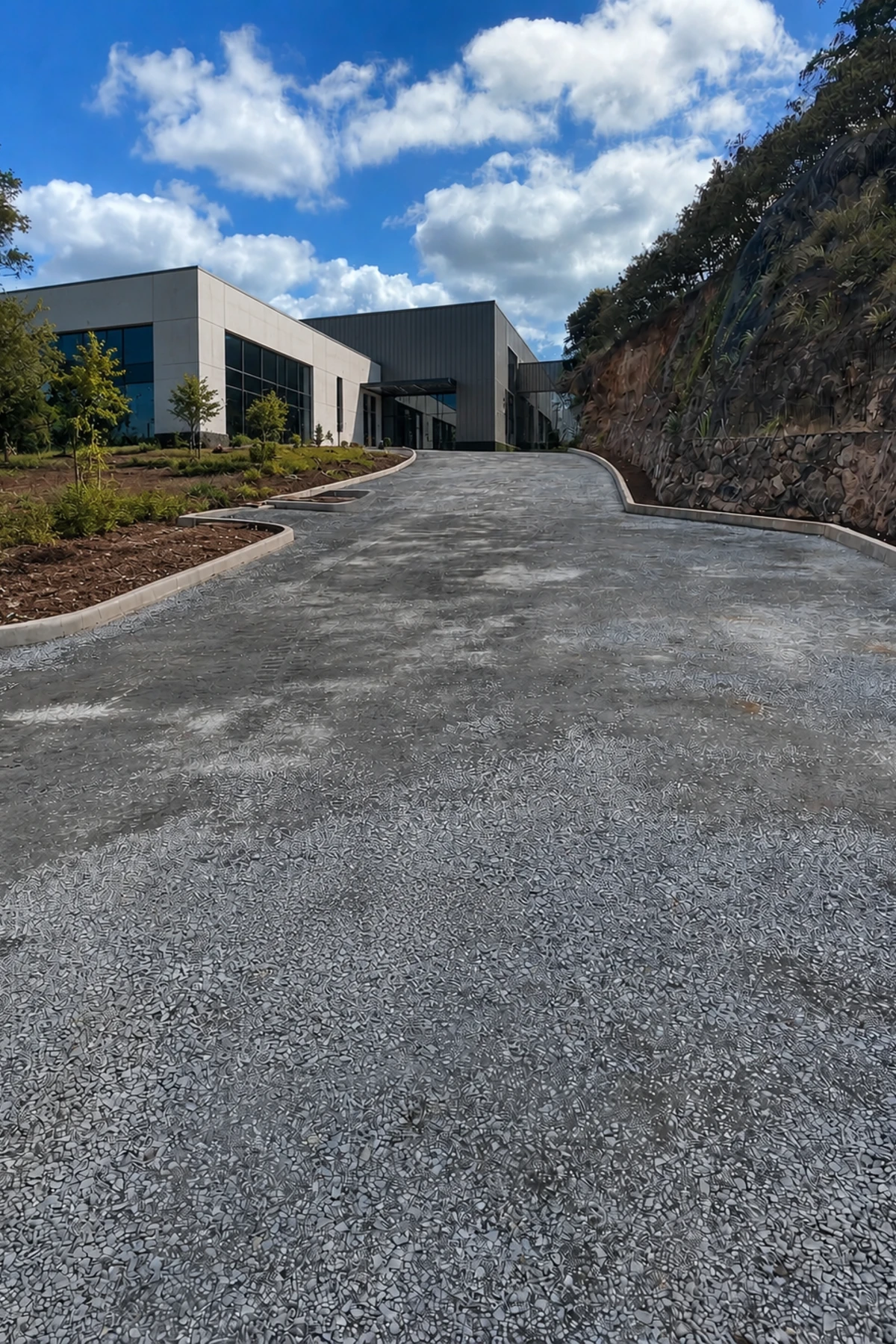
Cracks, low spots, and edge failure are often blamed on the visible paving material. In many cases, the deeper cause is the base beneath it. A driveway must distribute vehicle loads while remaining stable through rain, heat, and repeated use.

That begins with removing soft material, establishing drainage, installing the correct base, and compacting it evenly. Skipping any of those steps can shorten the life of the finished surface.

“A durable driveway is built from the bottom up.”

Site conditions vary across Oʻahu, so there is no single base detail that fits every property. Slope, soil, access, expected vehicle weight, and the chosen finish all affect preparation.

The goal is not only a smooth driveway on installation day. It is a stable, well-drained surface that continues to perform over time.

Have a project in mind?

Let’s talk about your site.

Share the location, scope, and timing. We’ll help you figure out exactly what it needs.